Is advertising to children ethical?
Video.......
I have noticed a recent rise in materialistic values among
children. My niece who is 7 years old is
increasingly becoming very concerned with her style. Since she began school this year she has been
expressing wanting certain materialistic things, such as an iPod and flashy
clothes. Should a 7 year old have an
iPod? Is it okay for her to dress
“flashy?” This new behavior is
concerning to say the least, so I have chosen to do some research and find out
more about this growing trend.
Kanner, A psychologist from Berkley has noticed a major
shift in what appeals to young children.
Something he calls "narcissistic wounding" of children. Thanks
to advertising, he says, children have become convinced that they're inferior
if they don't have an endless array of new products. (American Psychology Association 2013)
This news just confirmed what I was worried about, but then
I kept reading and found out something very upsetting! I read that there is an ethical issue, which
protests against using psychologists to help with advertising and marketing to
children. The protestors state that it
goes against the APA’s mission of mitigating human suffering, improving the
condition of both individuals and society, and helping the public develop
informed judgments. (APA 2013)
After taking a course in Advertising and learning a little
bit about the industry I have seen how many cases where advertisers choose to
focus on profit and not on ethics.
Advertising companies that choose to hire psychologists so they can
better market to children is both genius and unethical! It is genius, because they know how the mind
works, and unethical because advertising commonly creates insecure people who
believe they need to purchase things to feel happy.
Commercial exploitation is one of the biggest reasons why
children have been exposed to this new social phenomenon of materialism. Some people just say to limit TV time, but
advertisements are everywhere now and very difficult to avoid.

My nice loves to listen to music on the radio and Pandora,
and both have endless radio ads. We see
ads while driving and walking around the city.
And most recently I have noticed that my niece sees other people (kids)
and what they have and what they wear.
She has commented many times recently how much she wants specific things
that her friends have. Already, at 7
years old she is verbally placing value and worth on if she has the same
popular things that the “cool” kids have.
We know that this is an inevitable outcome for most people
who live in our culture pursuing the American Dream, however…isn’t 7 years old
way too soon to have such large concerns about social status?
- Things to consider-
·
Advertisers refer to children as; The Born to
Buy Generation
·
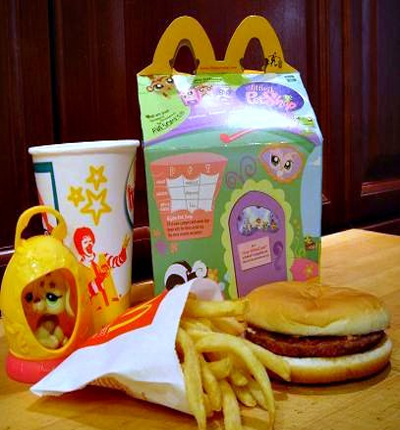
Child Obesity/selling toys with fast food
·
Who is ultimately responsible for SAFE child
advertising?


